Welcome to My Website

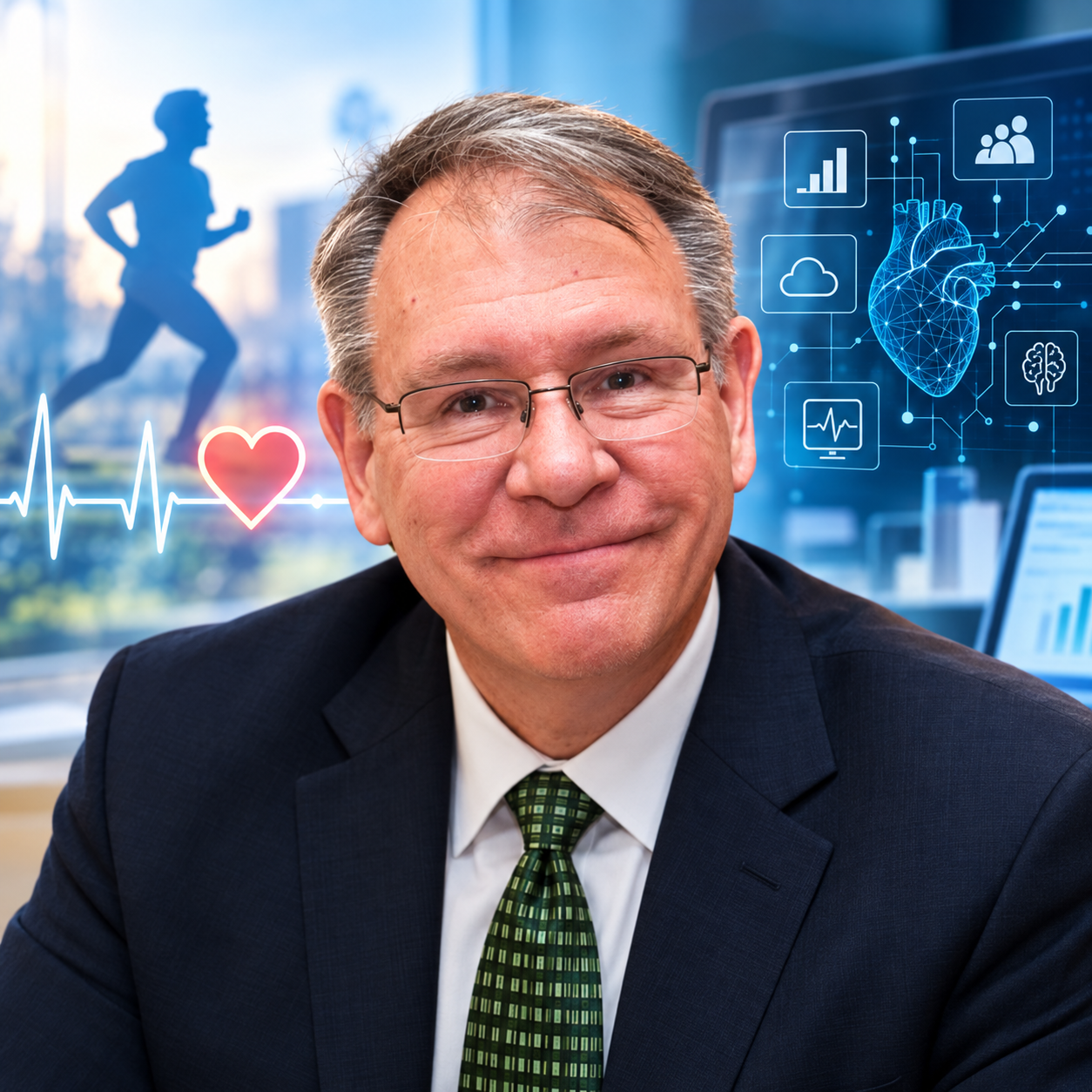
Patrick J. Dunn

Health. Learning. Innovation. Family. Life.

For more than four decades, I have worked at the intersection of healthcare, education, and technology. This website shares both my professional journey and the people, experiences, and interests that have shaped my life.

Patrick J. Dunn

Four Decades of Learning and Innovation

My Journey

From Cardiac Rehabilitation to Intelligent Health

My career has followed a continuous thread: combining clinical science, education, human behavior, and technology to help people understand their health and take meaningful action.

1985

Where It All Began

St. Catherine Hospital · East Chicago, Indiana

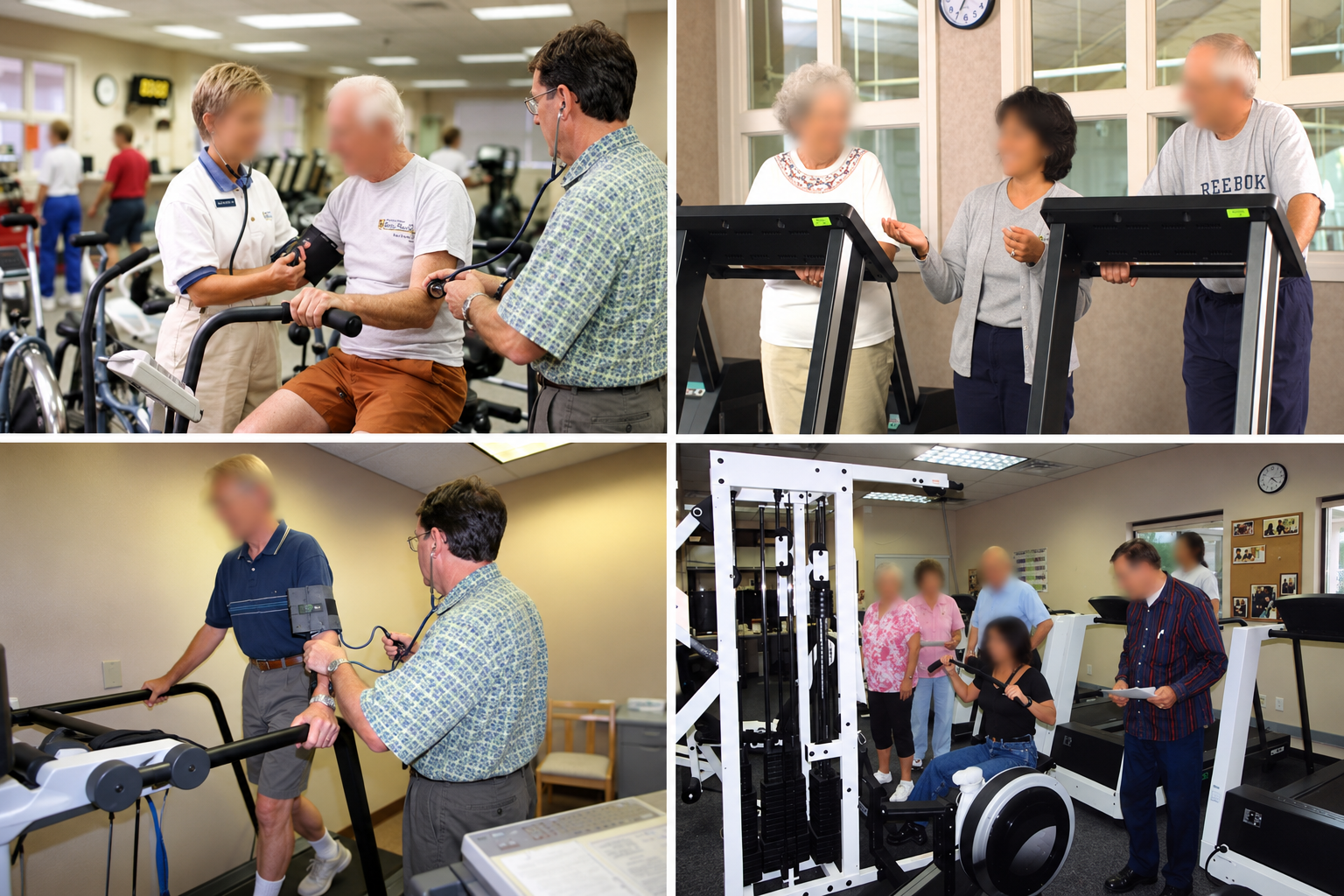
I began my career as an exercise physiologist, working across inpatient, outpatient, and community-based cardiac rehabilitation. I learned that recovery was about much more than exercise. It required education, encouragement, and ongoing support.

What I Learned

Good cardiovascular care combines clinical science with a genuine understanding of people.

Historical photographs of cardiac rehabilitation, including supervised exercise, blood pressure monitoring, and patient education
Clinical Foundations — Cardiac Rehabilitation. Historical photographs illustrating the clinical experiences that shaped my early career in exercise physiology, cardiovascular rehabilitation, and preventive cardiology.

1992

The Possibility of Reversing Heart Disease

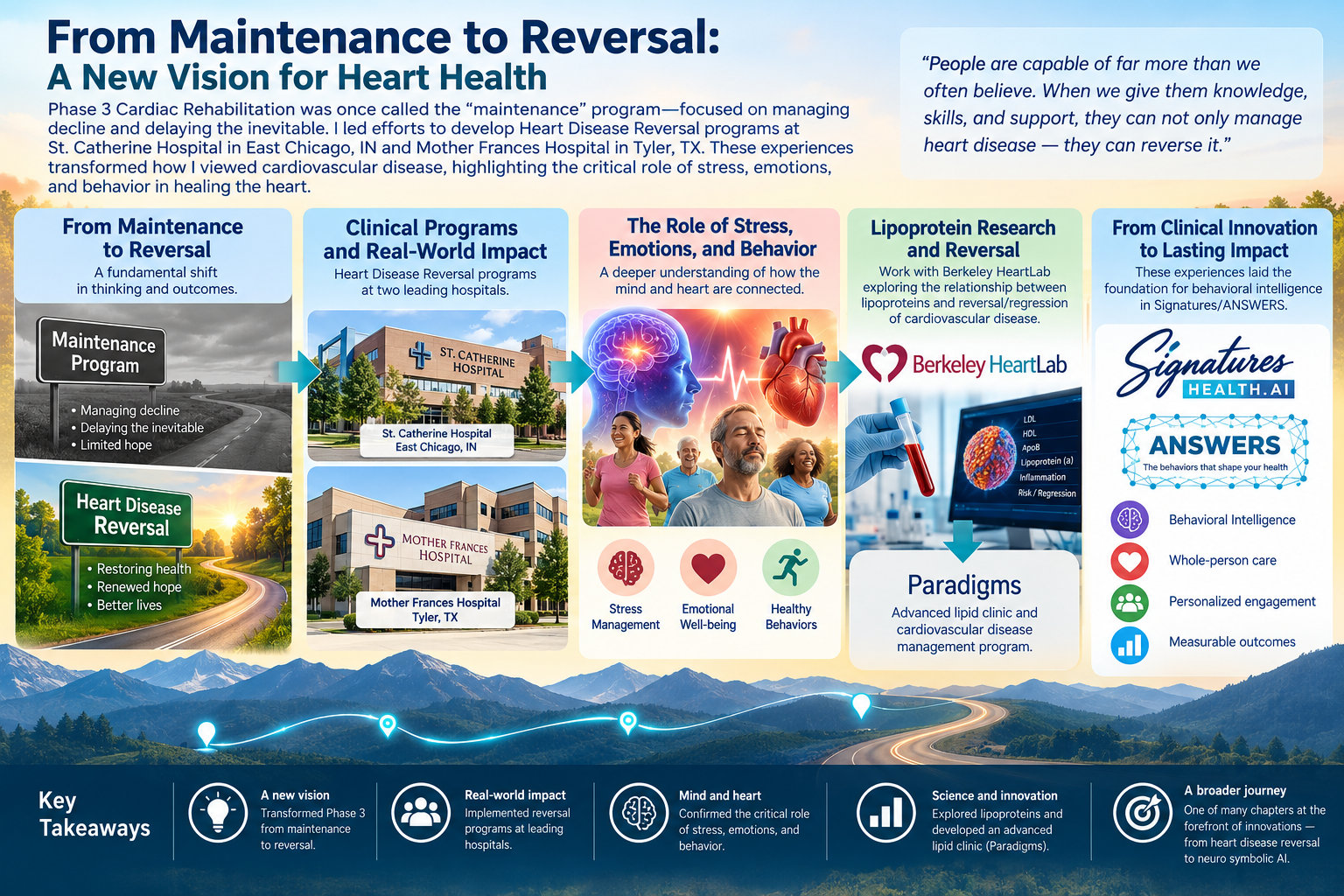
Inspired by Dr. Dean Ornish and his work in lifestyle medicine, I became convinced that comprehensive lifestyle changes could transform cardiovascular prevention and treatment. I also developed an advanced lipid clinic and cardiovascular disease management program.

What I Learned

Prevention and lifestyle change deserve a central role in cardiovascular care.

Illustration of the shift from maintenance cardiac rehabilitation to heart disease reversal, including behavioral health, lipoprotein research, and advanced cardiovascular disease management
From Maintenance to Reversal — A New Vision for Heart Health. Inspired by the possibility of reversing heart disease, I helped develop reversal programs at St. Catherine Hospital and Mother Frances Hospital. This work deepened my appreciation of stress, emotions, and behavior in cardiovascular health and led to my involvement with Berkeley HeartLab and the development of the Paradigms cardiovascular disease management program.

1998

The Technology Changed. The Challenges Did Not.

New Heart, Inc. · Albuquerque, New Mexico

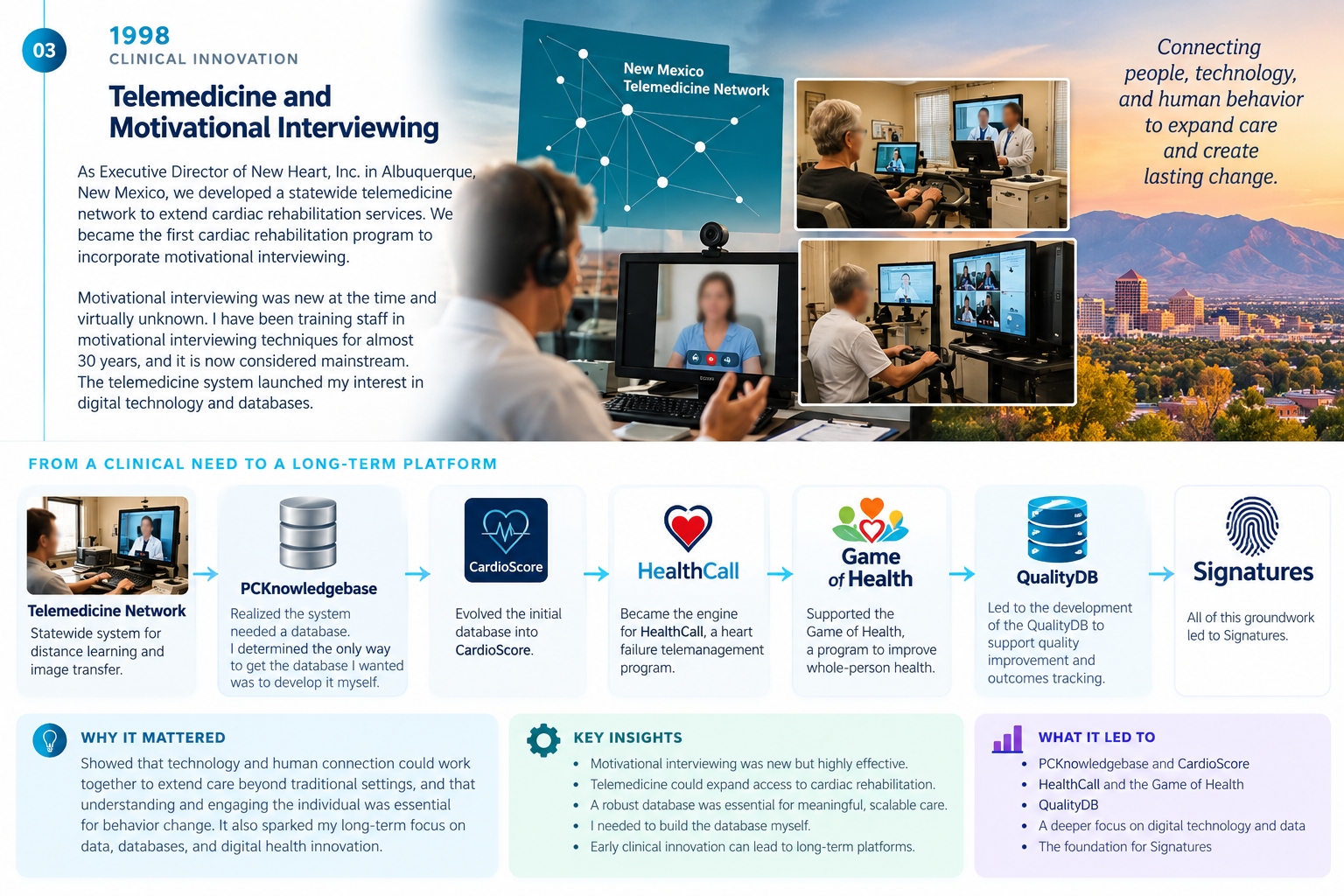
As Executive Director of New Heart, I helped develop a statewide telemedicine network connecting cardiac rehabilitation services across New Mexico. We introduced motivational interviewing into cardiac rehabilitation at a time when few people in the field were familiar with it. I began training staff in these techniques, a commitment that has continued for nearly three decades.

What I Learned

Technology can connect people to care, but meaningful engagement remains essential.

Illustrated history of the New Heart telemedicine network, motivational interviewing, and the evolution of clinical databases into Signatures
1998 — New Heart, Albuquerque, New Mexico. An illustrated retrospective of our early telemedicine work and the database innovations that eventually contributed to Signatures.

From Telemedicine to Signatures

A Database That Started a Journey

Our telemedicine network supported distance learning and medical image transfer, but we needed a database that could support our clinical work. When I could not find one that met our needs, I decided to build it myself.

That initial database became the PCKnowledgebase and later CardioScore. It provided the foundation for HealthCall, the Game of Health, and QualityDB. Those experiences ultimately helped shape Signatures.

The technology changed. The challenges did not.

Historical reference: 1998 telemedicine grant proposal for rural New Mexico.
2004

Understanding Before Action

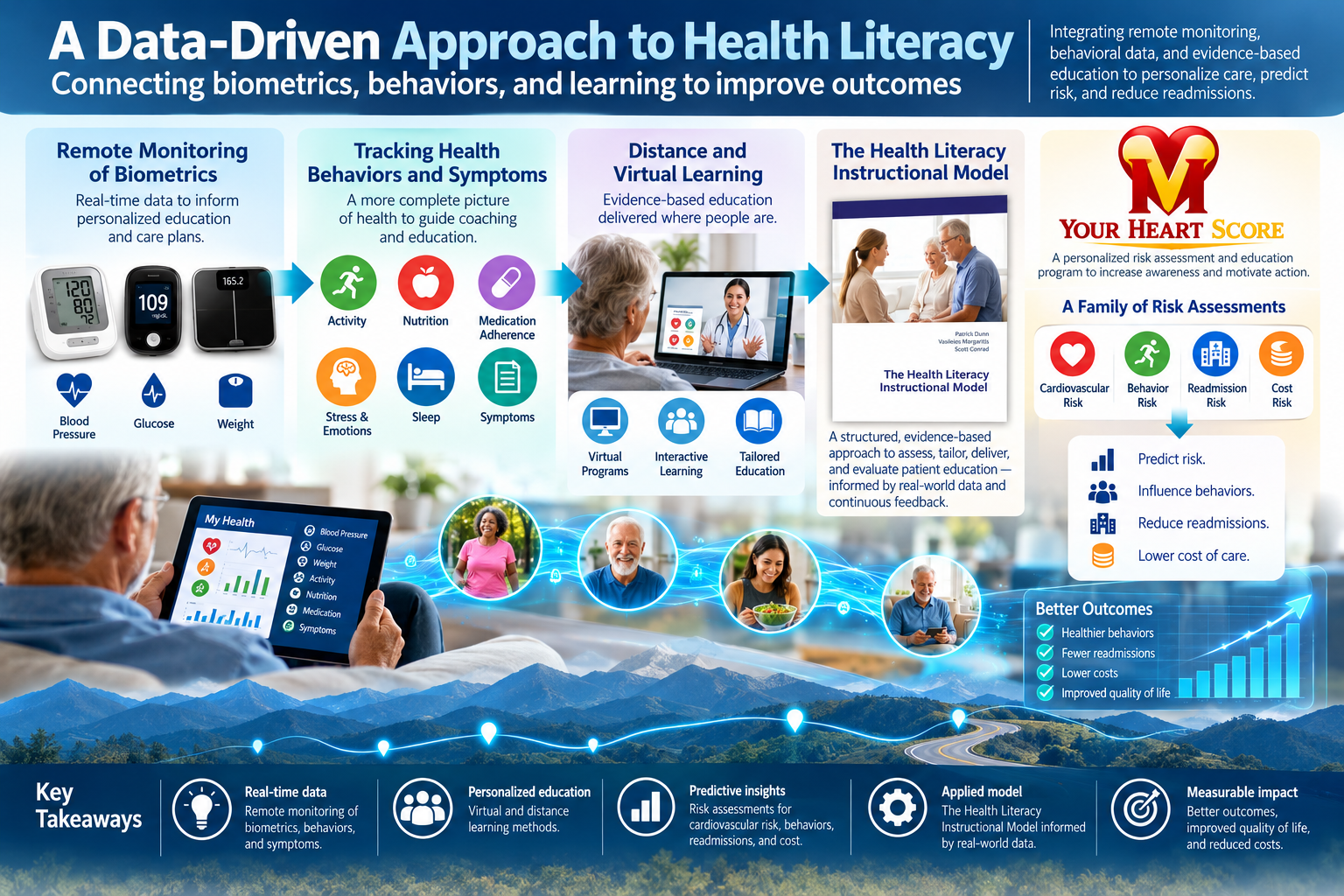
My interest in health literacy grew from seeing how difficult it could be for patients to understand and act on medical information. This work eventually led to my PhD in Public Health and the Health Literacy Instructional Model. I also worked on HealthCall, a heart failure telemanagement program, and the Game of Health.

What I Learned

Information alone is not enough. People need understanding, skills, confidence, and support.

Illustration of the evolution of data-driven health literacy, including remote biometric monitoring, behavioral tracking, virtual learning, and predictive risk assessment
From Health Literacy to Data-Driven Personalized Care. This period marked an important shift toward integrating clinical information, behavioral science, and digital technology. Remote monitoring of weight, blood pressure, glucose, symptoms, and health behaviors provided new opportunities to understand patients beyond traditional clinical encounters. These developments helped shape the Health Literacy Instructional Model, Your Heart Score, and a family of assessments designed to estimate cardiovascular risk, behavioral outcomes, hospital readmissions, and healthcare costs. They also established important foundations for the personalized intelligence capabilities that would eventually become Signatures.

2012

Putting Knowledge Into People’s Hands

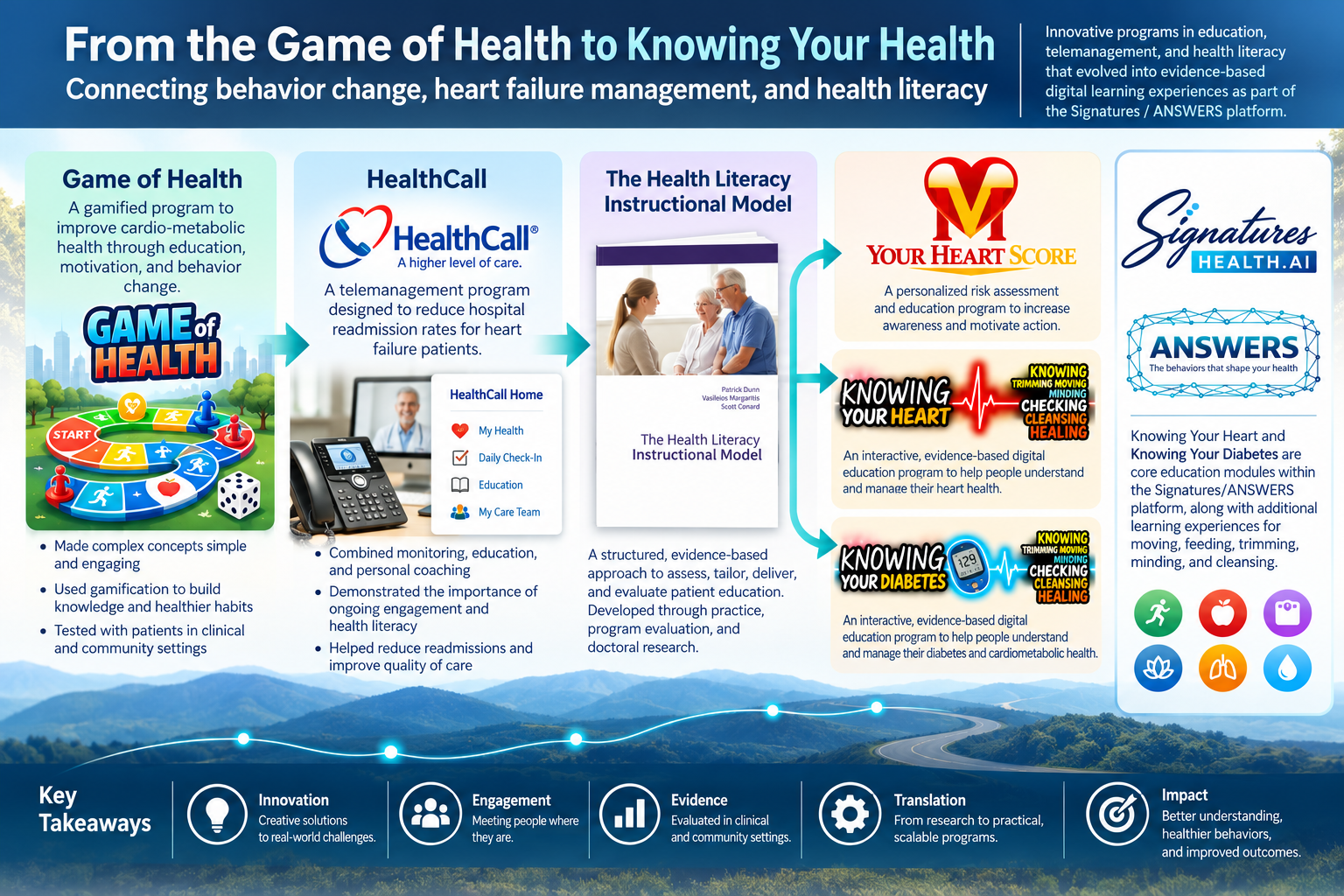
I developed Your Heart Score, Knowing Your Heart, and Knowing Your Diabetes to help people understand cardiovascular risk, build health literacy skills, and participate more actively in managing their health.

What I Learned

Health education should be understandable, engaging, personalized, and actionable.

Illustrated evolution from the Game of Health and HealthCall through the Health Literacy Instructional Model to Your Heart Score, Knowing Your Heart, Knowing Your Diabetes, and Signatures ANSWERS
From the Game of Health to Knowing Your Health. The Game of Health and HealthCall helped shape my Health Literacy Instructional Model and the subsequent development of Your Heart Score, Knowing Your Heart, and Knowing Your Diabetes. These programs are now connected through the Signatures/ANSWERS platform.

2018

Seeing the Whole Person

At the American Heart Association, I developed digital care plans that integrated clinical evidence with whole-person intelligence. These experiences reinforced the importance of understanding behaviors, conditions, and personal circumstances together.

What I Learned

People are more than a diagnosis, a risk score, or a single health behavior.

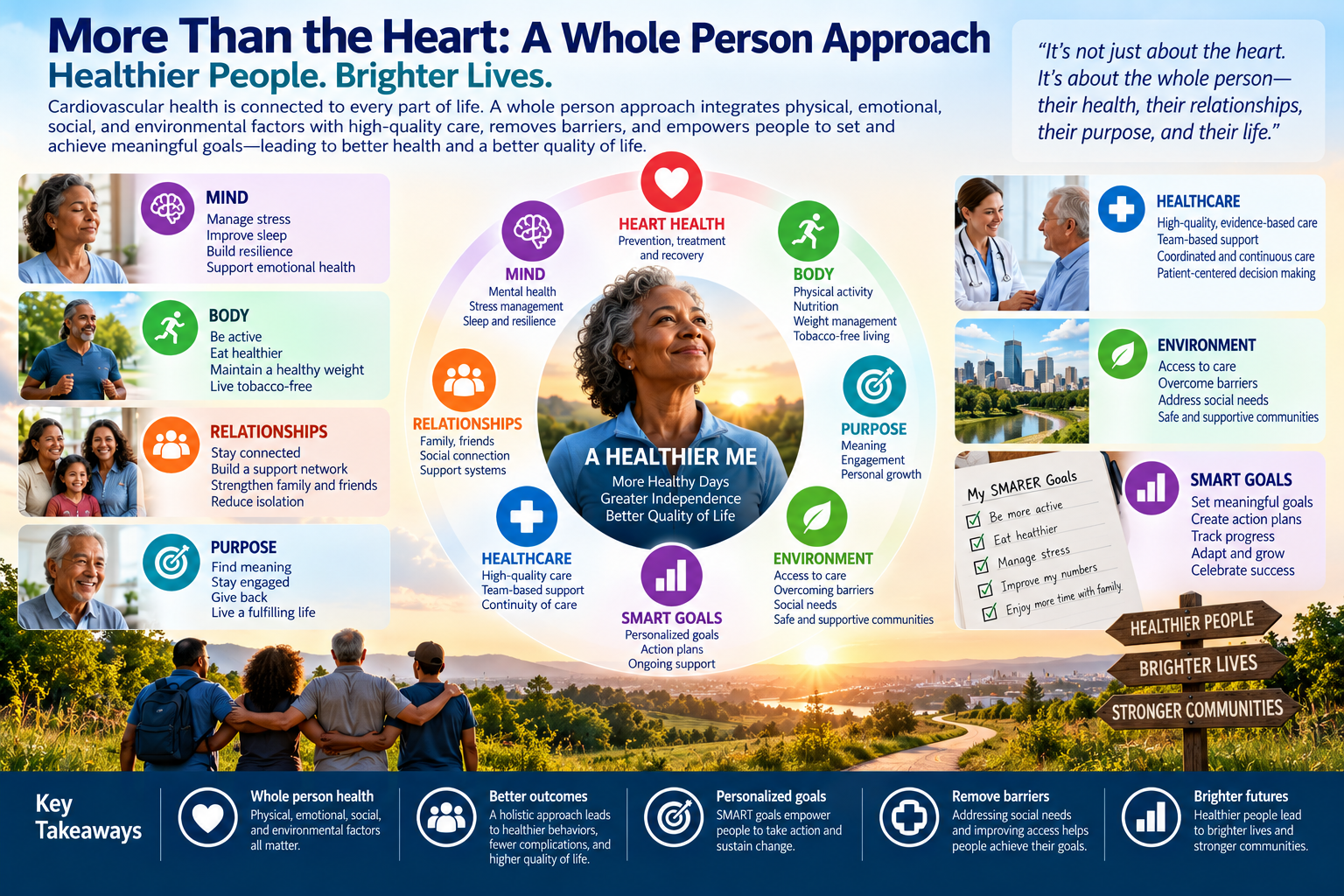
Whole-person health illustration connecting cardiovascular health with physical and emotional well-being, relationships, purpose, healthcare quality, environmental barriers, and SMART goals
Beyond the Heart: Caring for the Whole Person. My work increasingly focused on understanding the whole person, not simply managing cardiovascular disease. Health is shaped by physical and emotional well-being, relationships, personal purpose, the quality of healthcare, and the barriers people face in everyday life. Helping individuals establish meaningful SMART goals and improve their quality of life became central to this approach. These principles helped shape the whole-person intelligence incorporated into digital care plans and, eventually, Signatures.

2022

Every Person Has a Unique Signature

Signatures grew from my belief that healthcare is not a one-size-fits-all proposition. I began bringing together layers of clinical, behavioral, educational, and personal intelligence to support communication tailored to each individual.

What I Learned

Personalization requires understanding what makes each person unique.

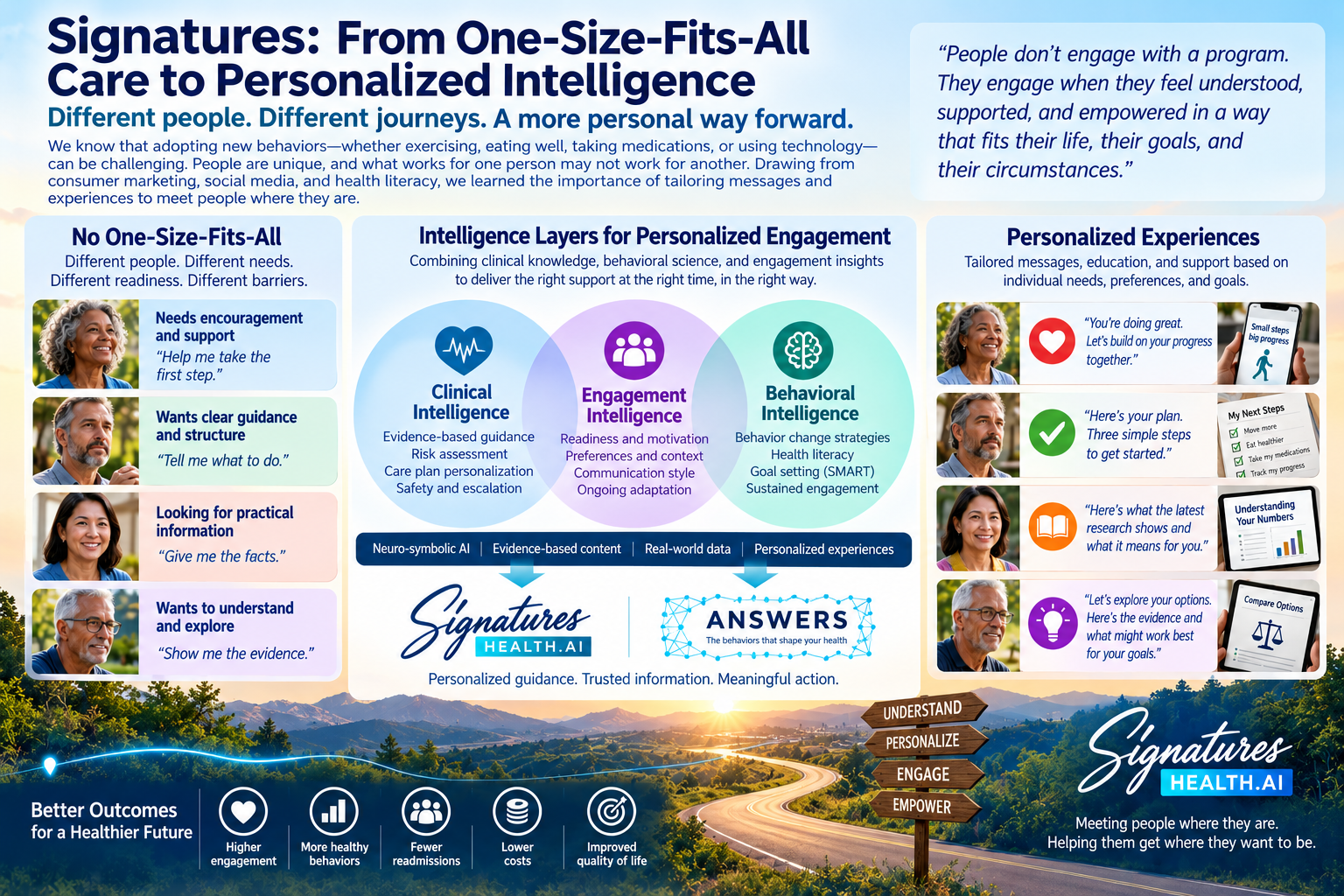
Signatures personalized intelligence illustration showing how clinical, engagement, and behavioral intelligence work together to provide individualized health guidance
Signatures: From One-Size-Fits-All Care to Personalized Intelligence. One of the most important lessons from my career is that people respond differently to health information and behavior change. Whether the goal is exercising, improving nutrition, taking medications, or adopting technology, a single approach will not work for everyone. Signatures began with communication personas—the Listener, Motivator, Director, and Expert—and evolved toward integrated intelligence layers, including clinical intelligence, engagement intelligence, and behavioral intelligence. The goal is to understand each individual and communicate in ways that are meaningful, understandable, and actionable. This reflects a fundamental principle of health literacy: meeting people where they are and helping them move toward their personal health goals.

2024

Turning Information Into Trusted Knowledge

Knowledge Studio brought together knowledge from highly trusted sources, including the American Heart Association, into structured, reusable artifacts. In parallel, I developed the Data Science Laboratory as an educational series for graduate students.

What I Learned

Reliable intelligence depends on trustworthy evidence, organized knowledge, and the ability to evaluate results.

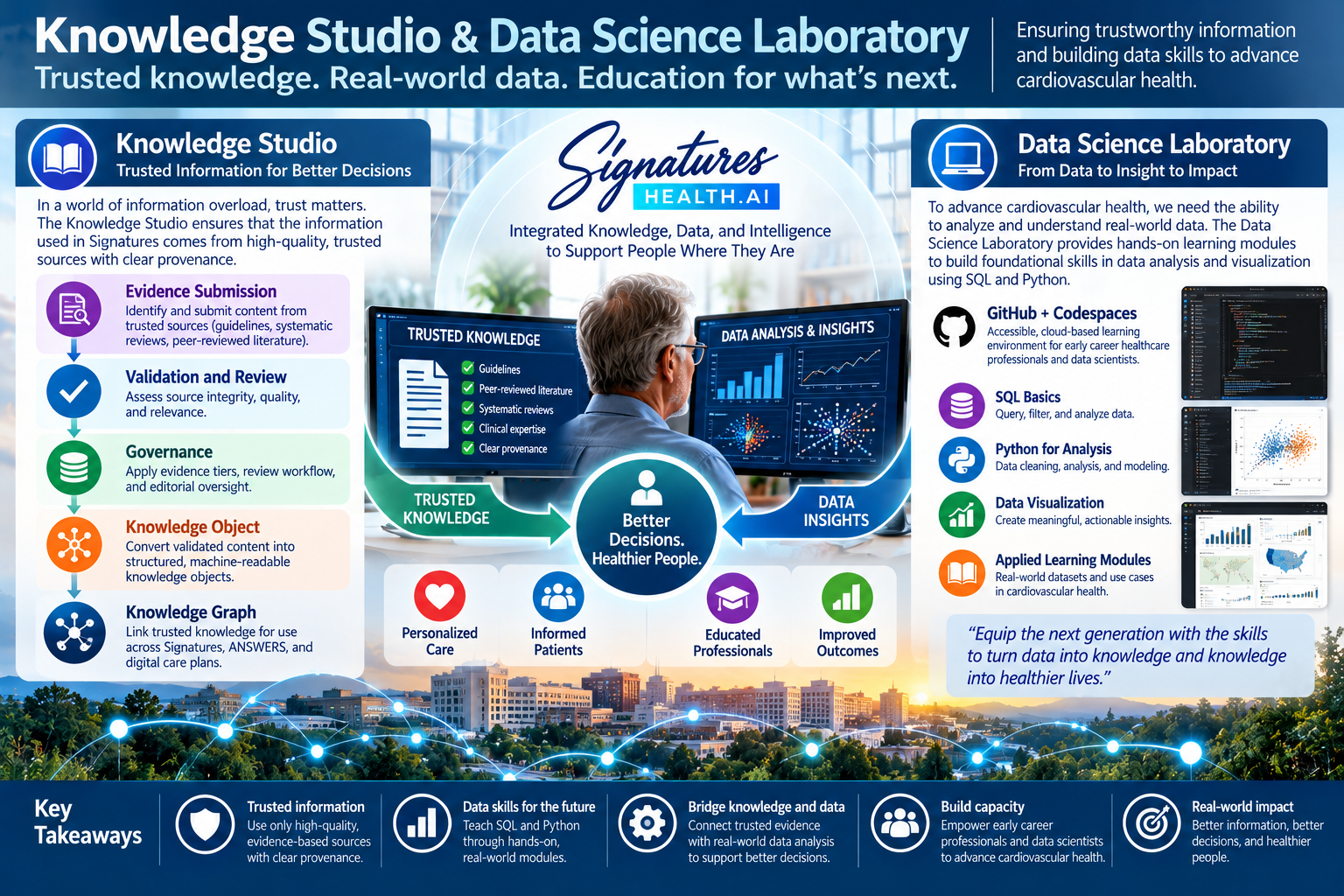
Knowledge Studio and Data Science Laboratory illustration showing trusted evidence, source provenance, knowledge governance, and hands-on SQL and Python education
Knowledge Studio and Data Science Laboratory: From Information to Trusted Knowledge and Meaningful Insights. In a world overwhelmed by information, knowing what to trust has become increasingly important. I developed the Knowledge Studio to establish a foundation of trusted, traceable information for Signatures. Through source validation, provenance tracking, evidence review, and knowledge governance, the goal is to ensure that health guidance is grounded in reliable evidence. Equally important is the ability to understand and analyze data. I developed the Data Science Laboratory as an educational resource for early-career healthcare professionals and data scientists, using GitHub Codespaces and hands-on learning modules to teach SQL, Python, data analysis, and visualization. Together, these initiatives reflect two complementary principles: trustworthy knowledge must be supported by verifiable sources, and meaningful decisions require the ability to critically evaluate and interpret data.

2025

Making Intelligence Work Together

AI orchestration made it possible to coordinate knowledge artifacts and intelligence capabilities across patients, conditions, and populations rather than treating each digital tool as an isolated system.

What I Learned

The value of intelligence grows when its components can work together coherently.

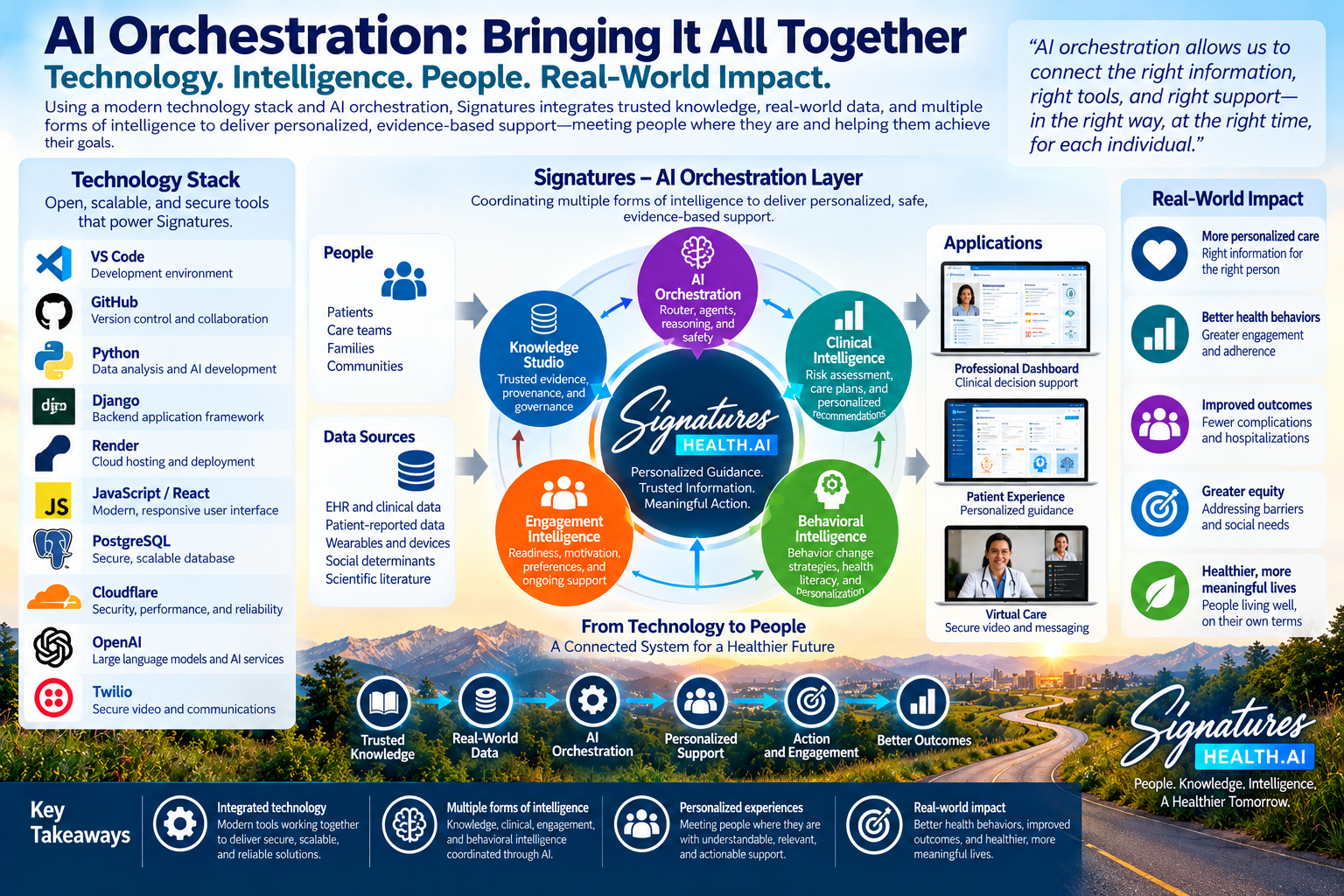
AI orchestration illustration showing the technology stack, trusted knowledge, clinical intelligence, behavioral intelligence, engagement intelligence, and personalized healthcare applications
AI Orchestration: Bringing It All Together. Developing Signatures required bringing together a diverse collection of technologies, including VS Code, GitHub, Python, Django, JavaScript, PostgreSQL, Render, Cloudflare, OpenAI, and Twilio. Each technology contributed a different capability, from software development and data management to cloud infrastructure, artificial intelligence, and communication. The greater challenge was learning how to orchestrate these technologies and the intelligence layers built upon them. AI orchestration coordinates trusted knowledge, clinical intelligence, behavioral intelligence, engagement intelligence, and safety mechanisms to deliver personalized, evidence-based support. The goal is not simply to use artificial intelligence, but to connect the right knowledge, tools, and support to each individual in ways that are understandable, meaningful, and actionable.

2026

ANSWERS: The Next Chapter

ANSWERS—the Adaptive Neuro-Symbolic Whole-Person Engagement and Reasoning System—brings together governed knowledge, symbolic reasoning, adaptive AI, behavioral intelligence, and whole-person engagement.

What I Learned

The goal remains evidence-informed, explainable, personalized support that helps people take meaningful action.

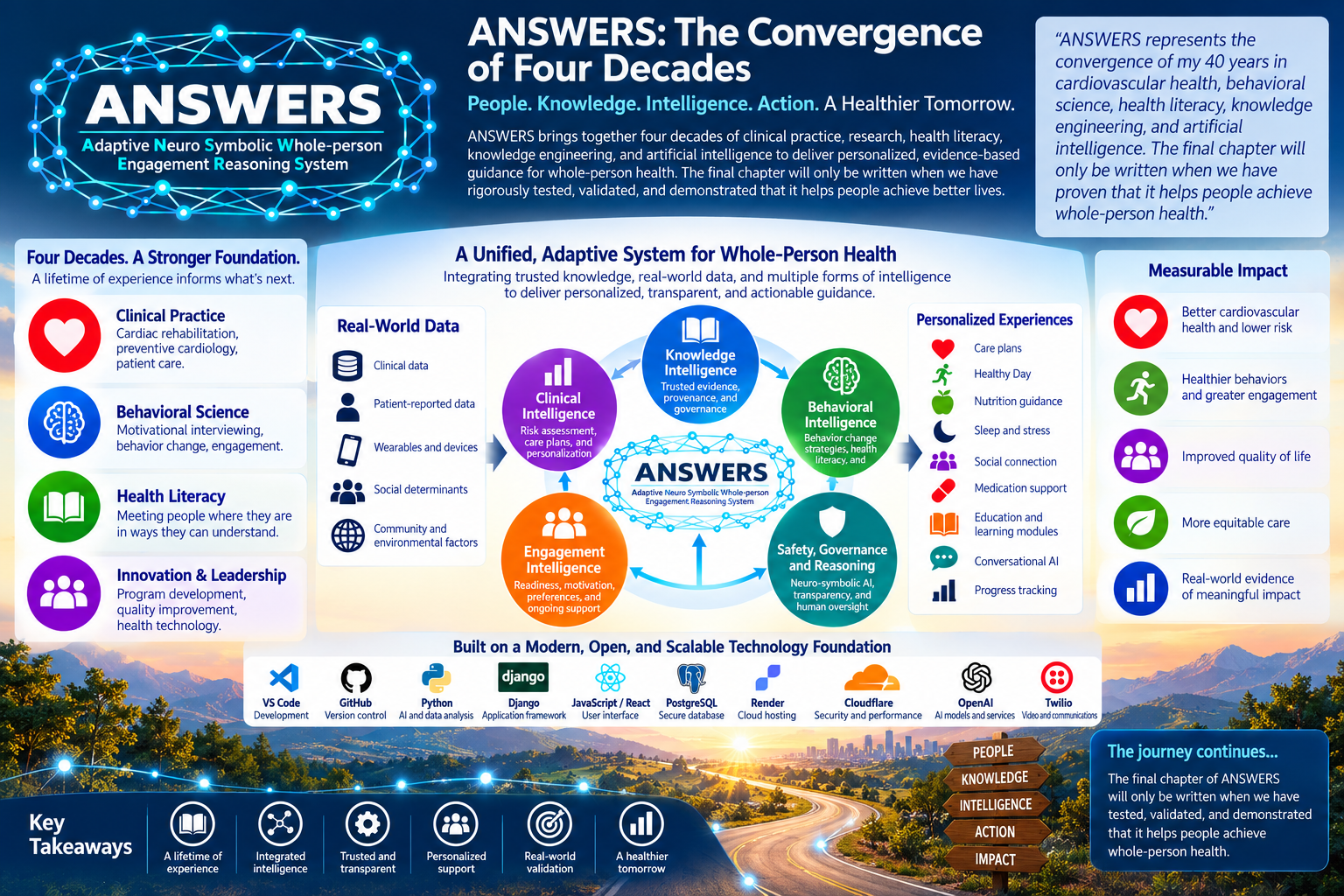
ANSWERS: The convergence of four decades of clinical practice, behavioral science, health literacy, knowledge engineering, and artificial intelligence
ANSWERS — The Convergence of Four Decades. Four decades of clinical experience, behavioral science, health literacy, knowledge engineering, and digital innovation have converged into an adaptive, evidence-based reasoning system. The final chapter remains to be written through rigorous testing, validation, and demonstration of meaningful improvements in whole-person health.

The Journey Continues

What began in cardiac rehabilitation more than four decades ago has evolved into a lifelong pursuit of more personal, understandable, and effective healthcare. The technologies will continue to change. My commitment to helping people improve their health will not.

Four Decades of Learning and Innovation

Professional Life

My professional journey has taken me from cardiac rehabilitation and preventive cardiology to healthcare leadership, education, research, and digital health innovation.

Digital Health Innovation

Digital Health Innovation

Advancing the integration of cardiovascular science, technology, and personalized digital health.

Healthcare Technology

Healthcare Technology

Exploring technologies that connect clinical evidence, behavioral intelligence, and meaningful health outcomes.

Research & Education

Research & Education

Connecting lifelong learning, academic research, and the development of future health professionals.

My Educational Journey

My Educational Journey

Experiences across education, exercise physiology, business, public health, and information technology.

Collaboration & Innovation

Collaboration & Innovation

Working across disciplines and organizations to improve health through science, education, and technology.

Lifelong Learning, Family & Service

Education & Academic Connections

Education has been a defining part of my life and a shared commitment throughout our family. Our paths have taken us through universities, professional careers, theology, healthcare, and military service.

Our Family's Educational Journey

18

Academic Degrees

Across nine family members, reflecting a shared commitment to education and learning.

My Academic Journey

5

Academic Degrees

Across four universities, spanning physical education, exercise physiology, business, software engineering, and public health.

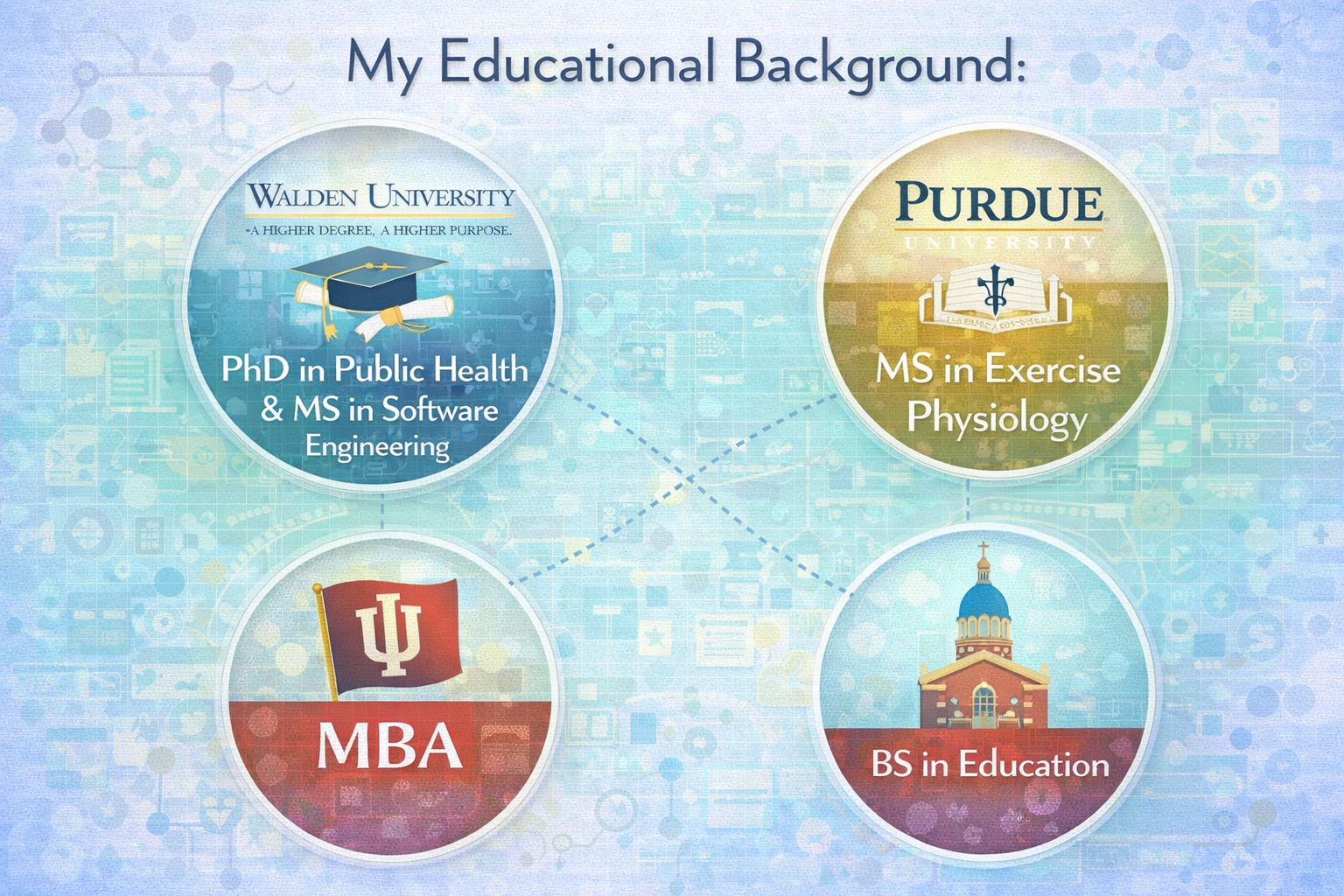
My Education

2015

PhD in Public Health

Walden University

2022

MS in Software Engineering

Walden University

1991

Master of Business Administration (MBA)

Indiana University

1986

MS in Exercise Physiology

Purdue University

1985

BS in Physical Education

University of Dayton

Faculty Appointments

Adjunct Faculty

UT Southwestern Medical Center

Teaching clinical research, health informatics, and data analytics.

Contributing Faculty

Walden University

Teaching and mentoring graduate and doctoral students.

Our Family's Academic & Service Connections

Each family member has followed a unique path. Together, these experiences represent a remarkable collection of educational institutions and service commitments.

Karen

My wife

  • Ohio Dominican University
  • Saint Louis University
  • Texas Woman's University

Gregory

My son

  • Texas A&M University
  • Aquinas Institute of Theology

Laura

My daughter

  • Midwestern State University

Thomas

My son

  • Texas A&M University
  • Angelo State University

Bella

My daughter-in-law

  • Colorado State University
  • Auburn University

Sandy

My mom

  • Illinois State University

Mike

My brother

  • United States Air Force

Military service

Carey

My sister-in-law

  • University of Houston

The People Who Matter Most

Family & Life

Family has always been at the center of my life. My wife Karen, our children Gregory, Laura, and Thomas, and our daughter-in-law Bella are an important part of my story.

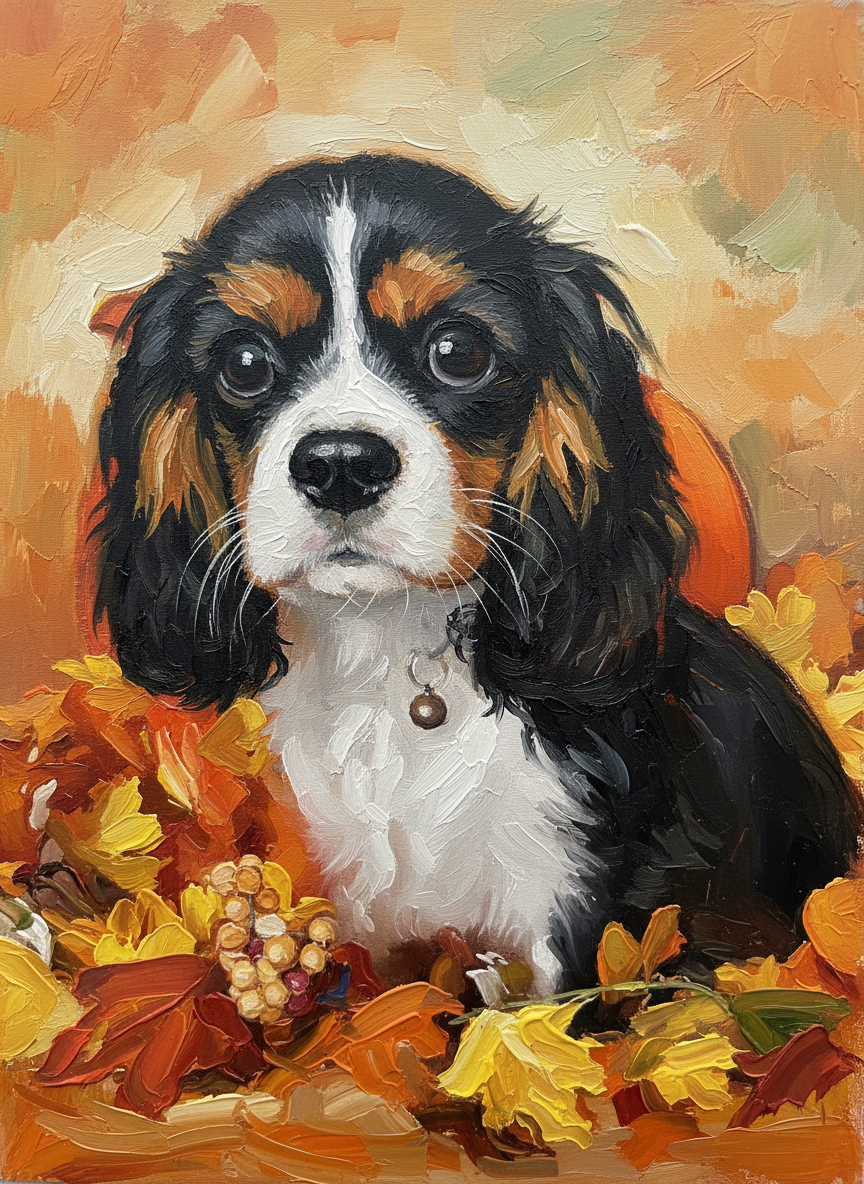
My mom Sandy, my brother Mike, and my sister-in-law Carey are equally important parts of our family. And of course, there is Toby, our Cavalier King Charles Spaniel.

Across our family, we share a commitment to education, healthcare, science, technology, faith, creativity, and service. Each of us has followed a different path, but those shared values connect our stories.

Karen

Karen

My wife

Teacher and early childhood education specialist, dedicated to helping young children learn, grow, and thrive.

Gregory

Gregory

My son

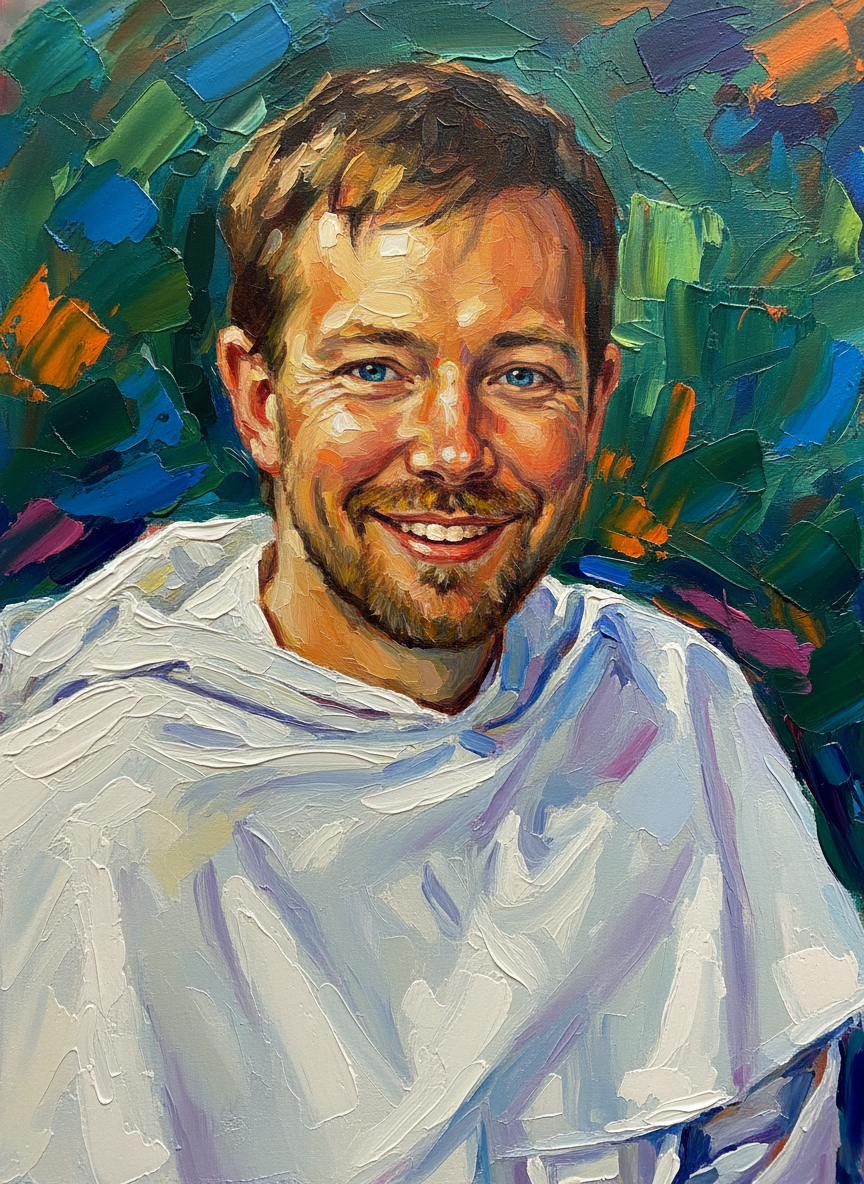
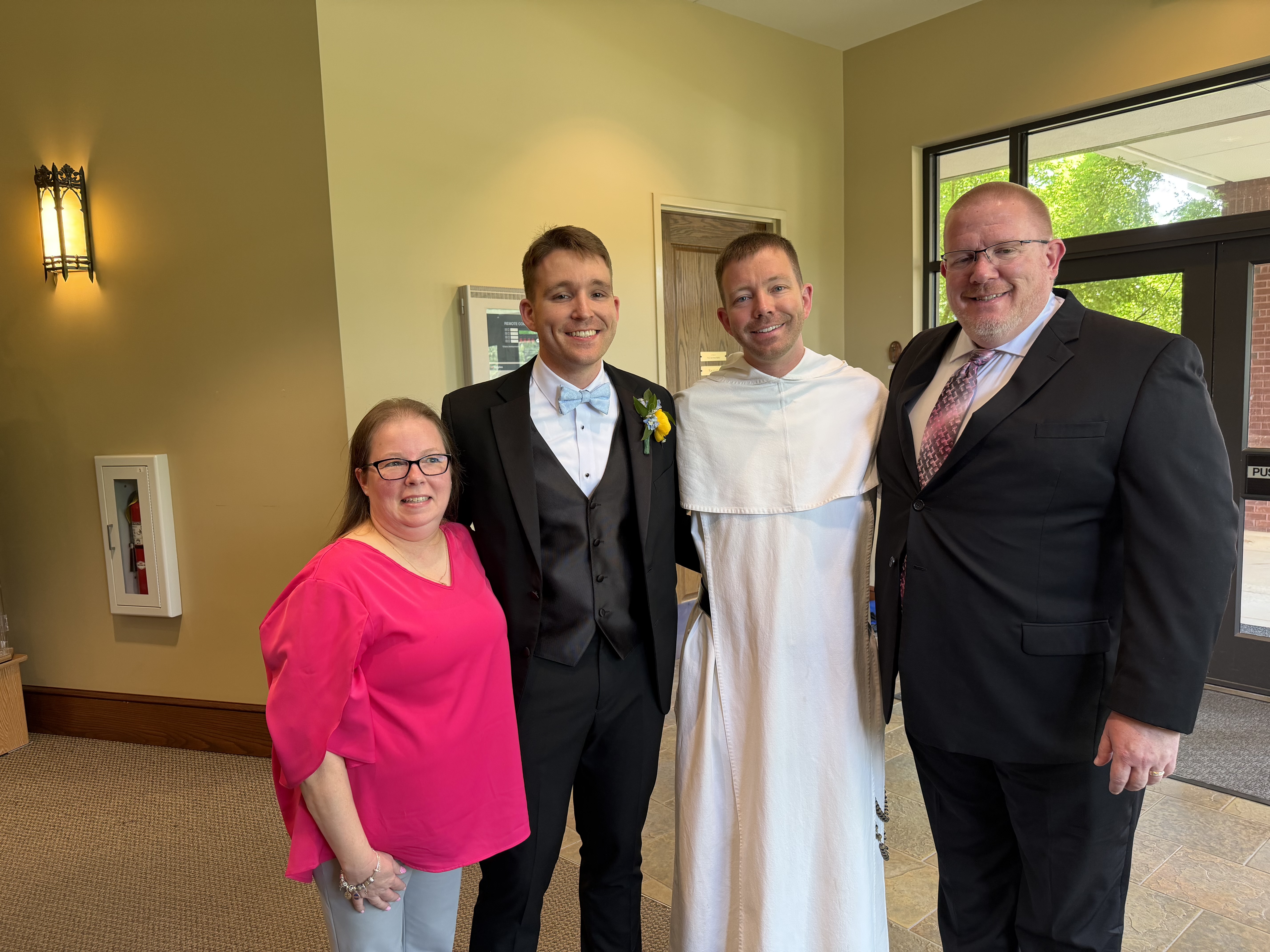
Dominican friar serving in Lubbock, Texas, with a commitment to faith, education, and service.

Laura

Laura

My daughter

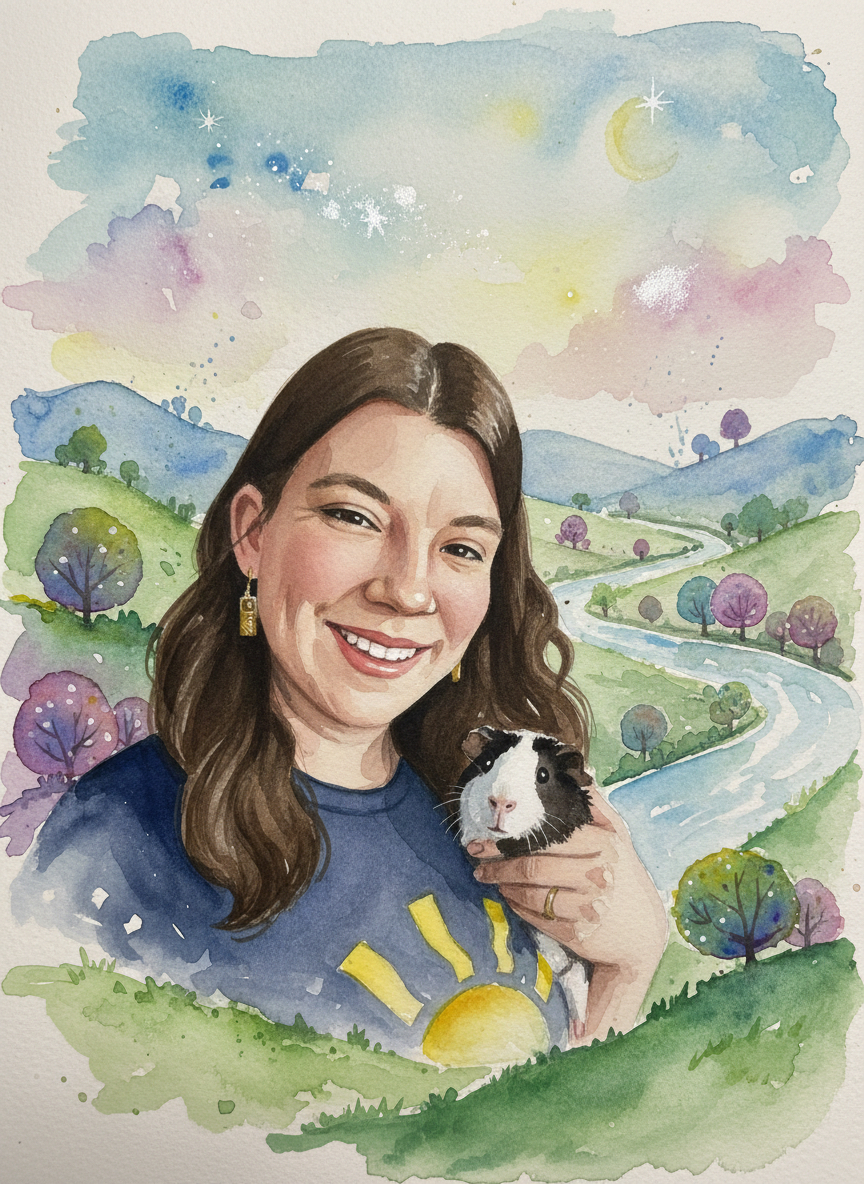
Second-grade teacher in Cedar Park, Texas, helping young students develop a love of learning.

Thomas & Bella

Thomas & Bella

My son and daughter-in-law

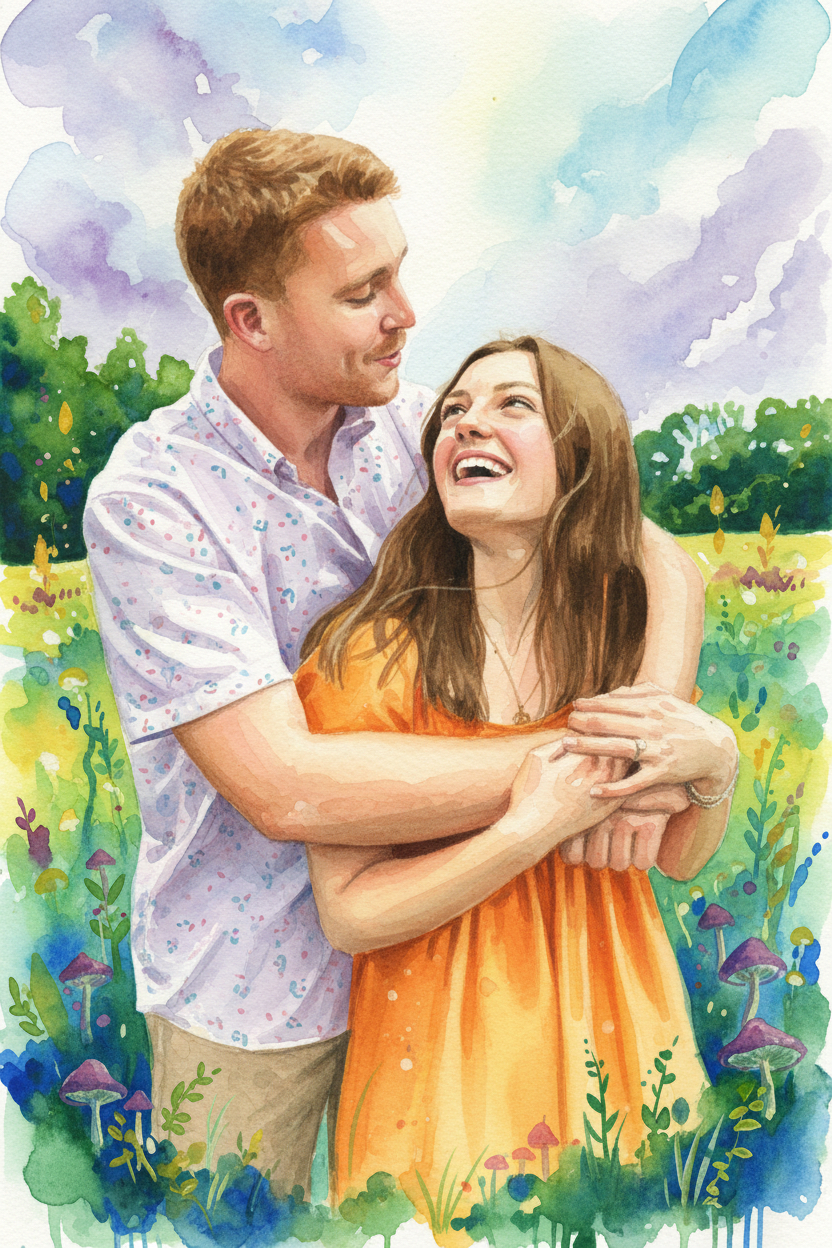
Thomas is a physical therapist in Auburn, Alabama. Bella is a graduate student studying fisheries science at Auburn University.

Sandy

Sandy

My mom

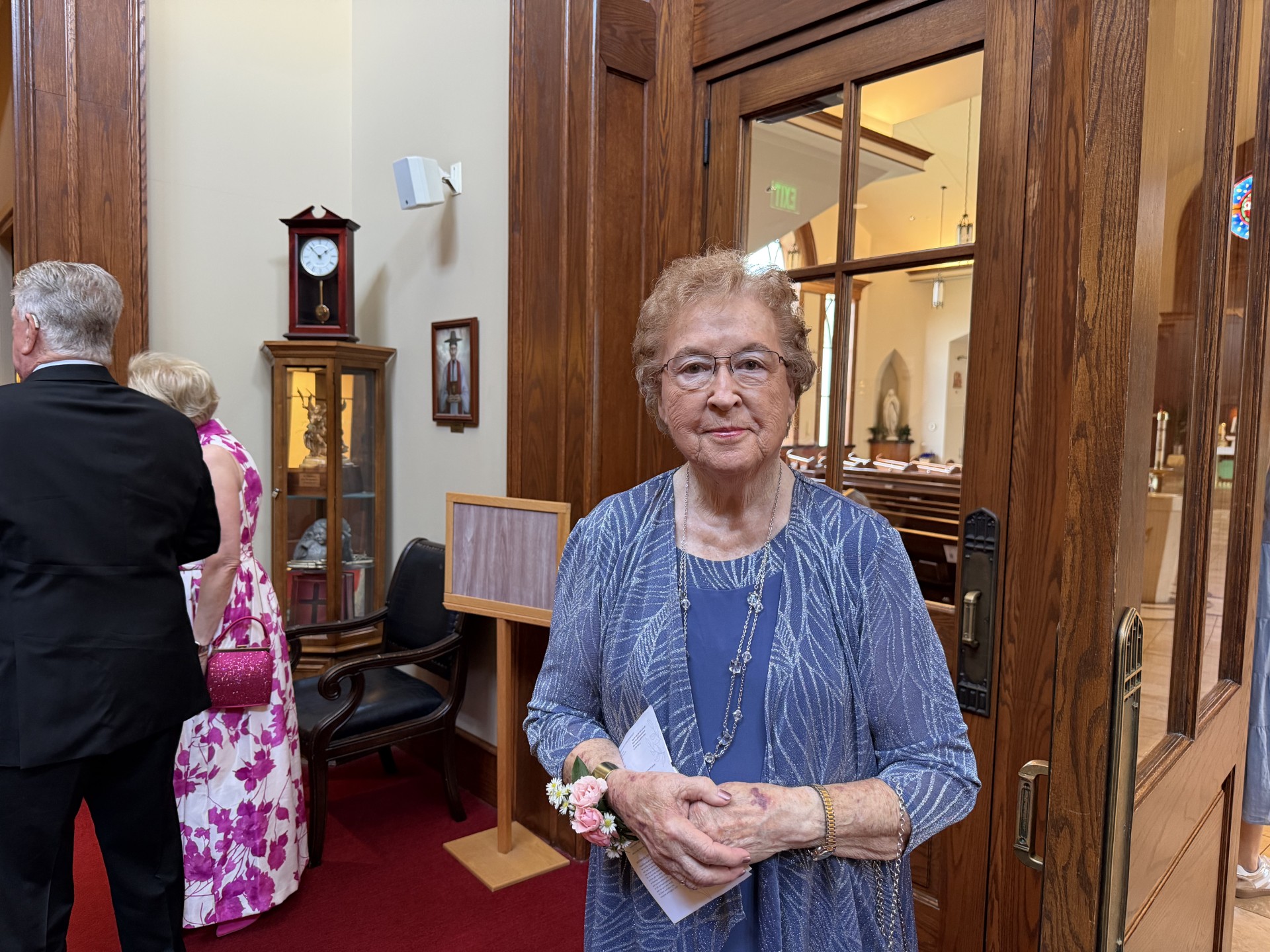
Retired music and religious education teacher and an aerospace pioneer, living in League City, Texas.

Mike & Carey

Mike & Carey

My brother and sister-in-law

Mike is a cybersecurity pioneer and owner of Patriotic Solutions. Carey is a designer and owner of Carey's Designs. Both are based in Dickinson, Texas.

Toby

Toby

Our Cavalier King Charles Spaniel

A beloved member of the family, always ready to bring a little more joy to everyday life.

Beyond Work and Academia

My Teams

Sports have always been part of my life. Whether it is baseball, basketball, or football, these are the teams I follow and cheer for.